When Low-Code Hits Its Limit: Migrating to Custom Code and Production Databases
Once a workflow outgrows what n8n or Make can handle cleanly, it gets rebuilt in Python or Node against a real database, MySQL, MongoDB, or Supabase, instead of Airtable or a spreadsheet, and deployed on proper infrastructure.
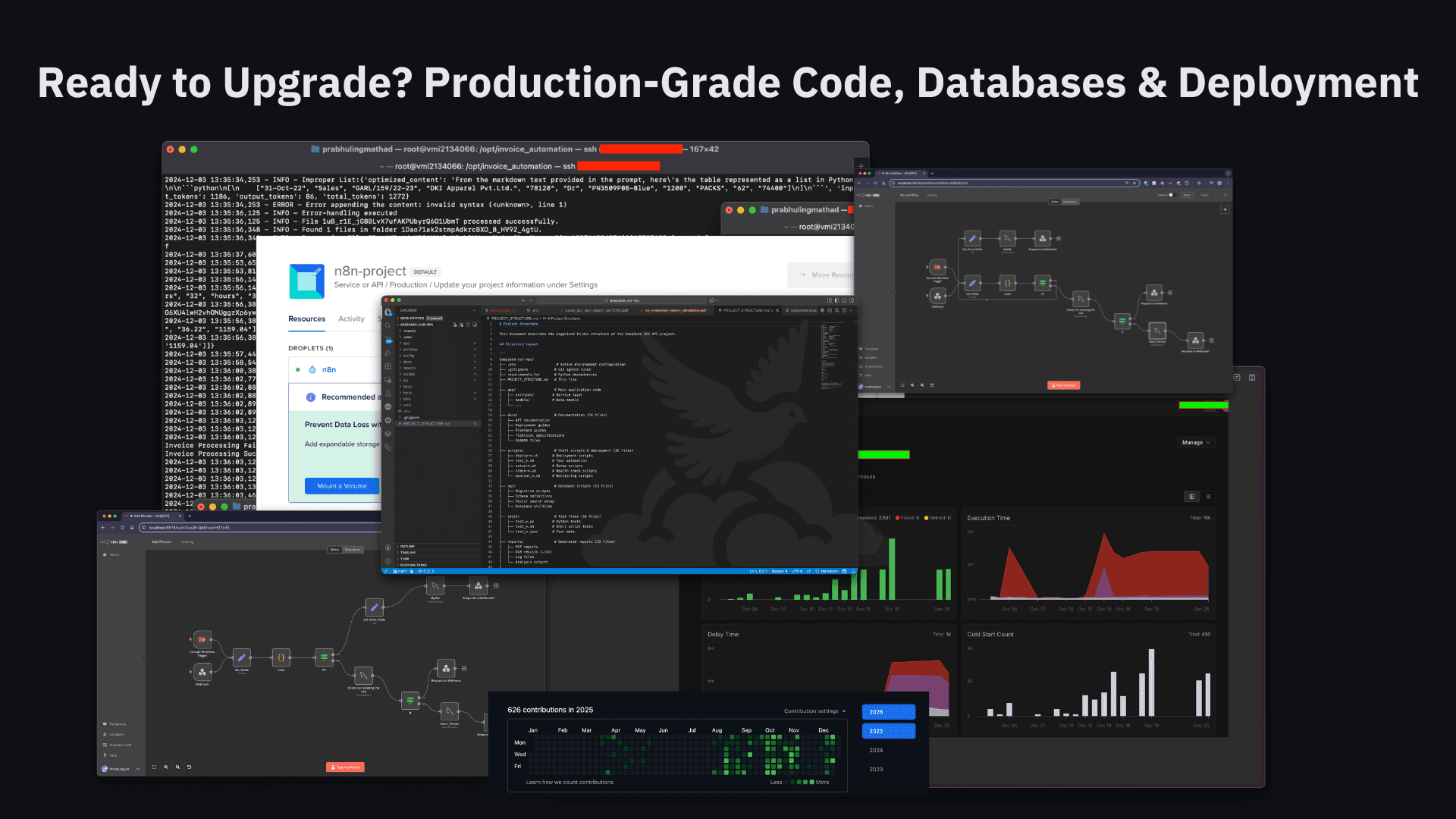
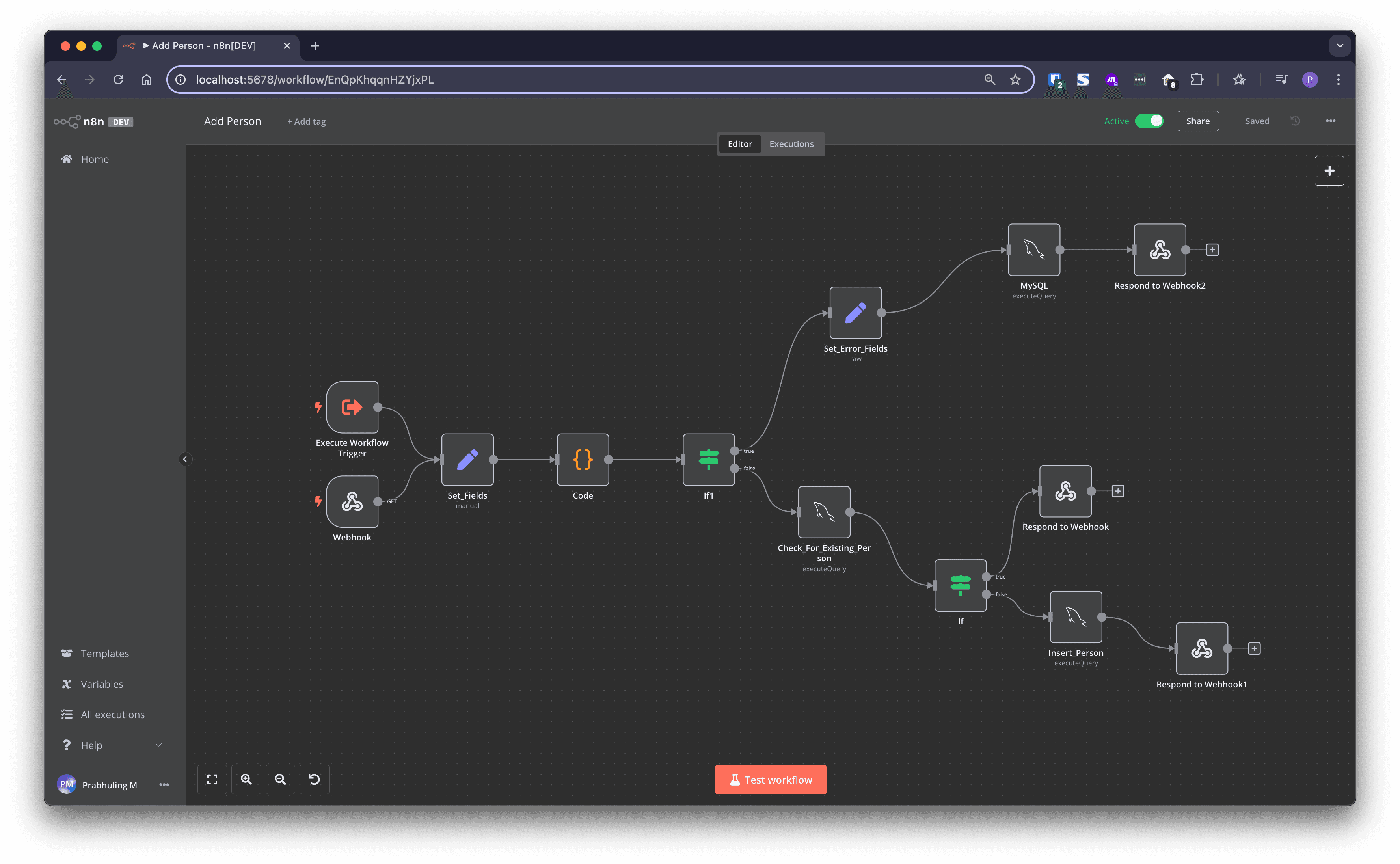
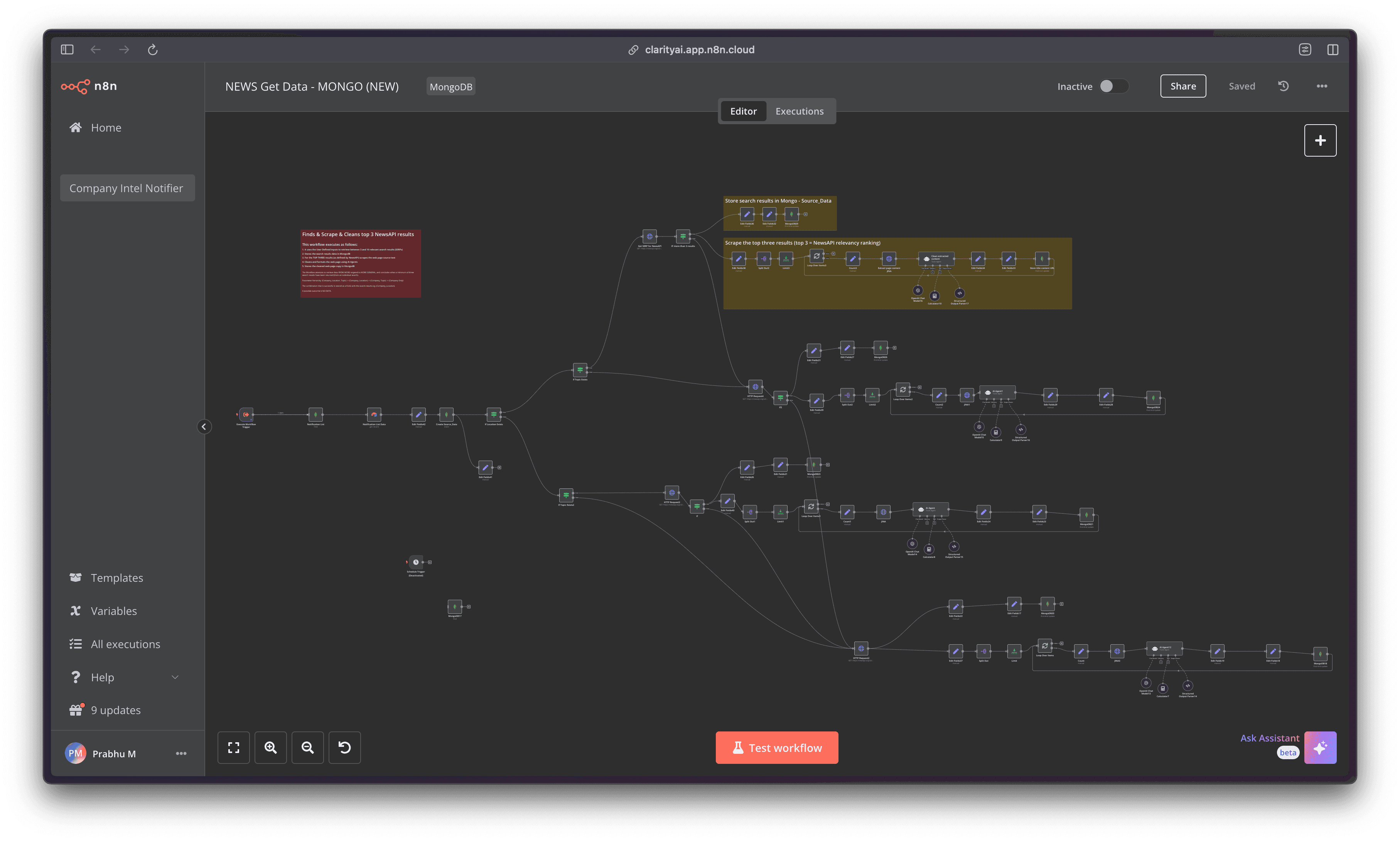
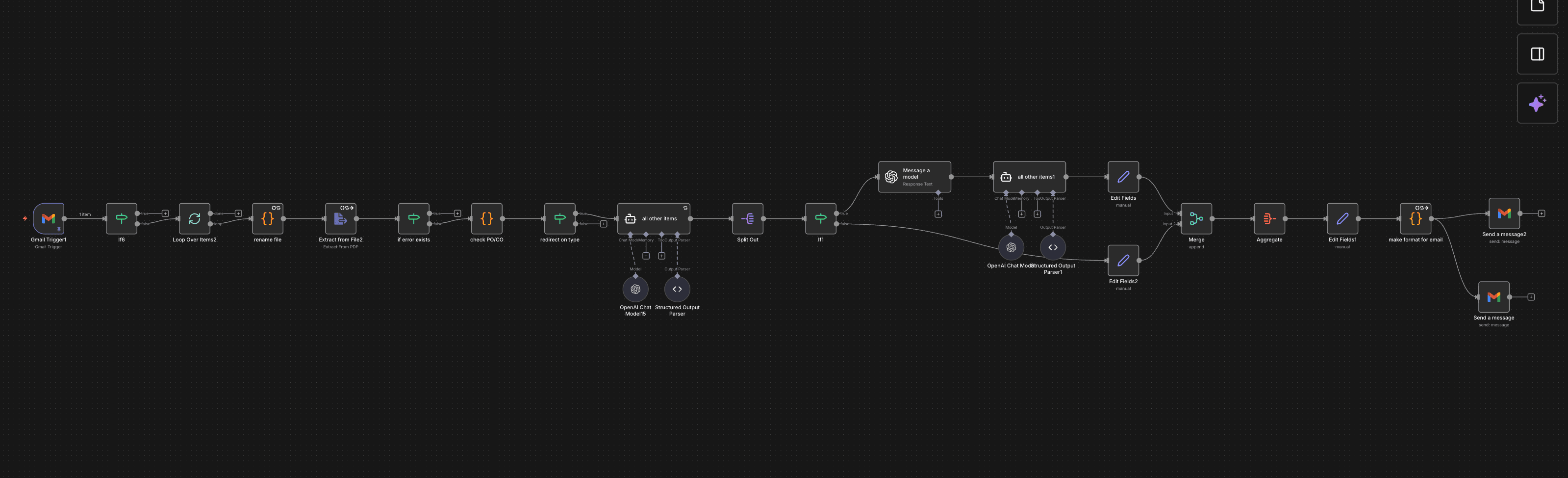
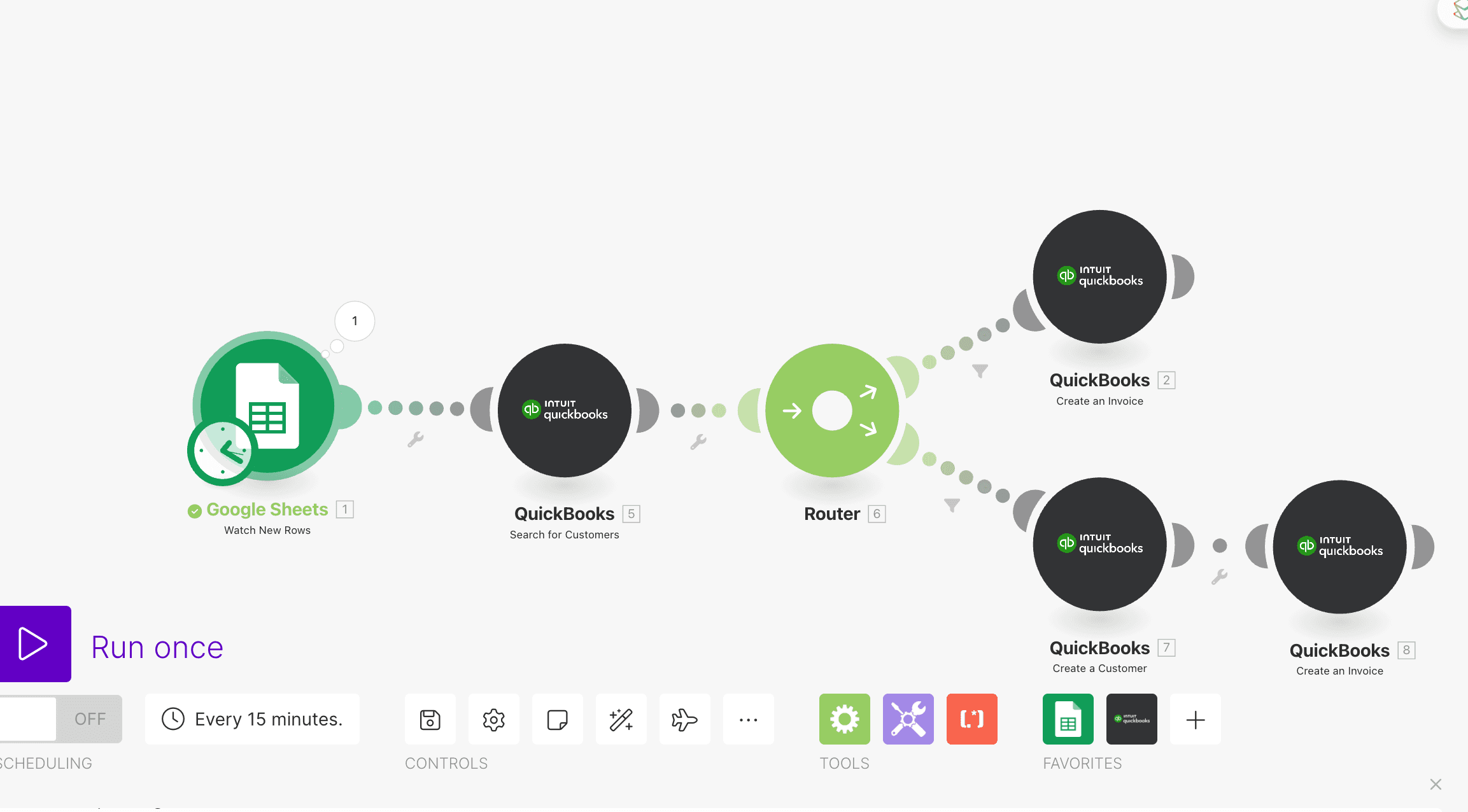
A workflow that started in n8n or Make eventually hit a wall: too much branching logic to maintain visually, or a data volume that made Airtable and Google Sheets slow and unreliable as the system of record.
The workflow gets rebuilt in Python or Node.js, with MySQL, MongoDB, or Supabase as the real database instead of Airtable or a spreadsheet, and Google Cloud Storage in place of Drive or OneDrive for files. The result deploys on a VPS like AWS EC2 or a serverless platform like AWS Lambda, production-grade infrastructure sized for the workflow's actual complexity, not the limits of a low-code canvas.
Stack
How It Works
Identify the ceiling
A workflow's branching logic or data volume outgrows what a low-code canvas or Airtable can handle reliably.
Rebuild in code
The logic is re-implemented in Python or Node.js, testable and version-controlled instead of a visual canvas.
Migrate to a real database
MySQL, MongoDB, or Supabase replaces Airtable or Sheets as the system of record.
Deploy production infrastructure
The service runs on a VPS or serverless platform sized for actual load, not a low-code platform's execution limits.
Results
logic instead of a visual canvas
MySQL / MongoDB / Supabase
not capped by low-code limits
The Workflow